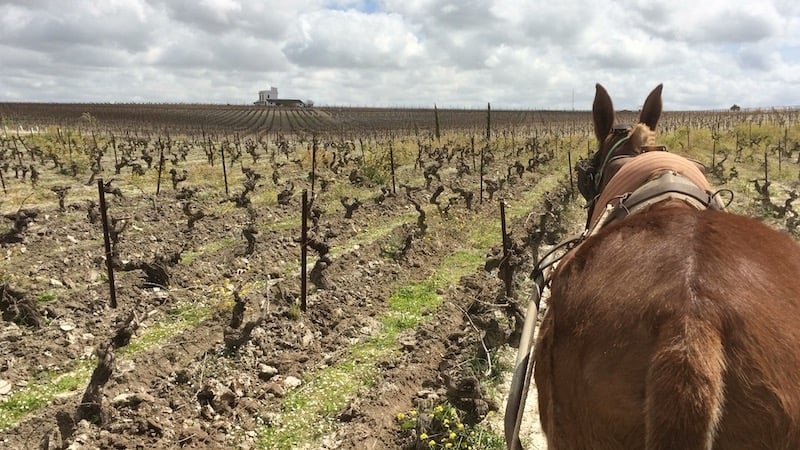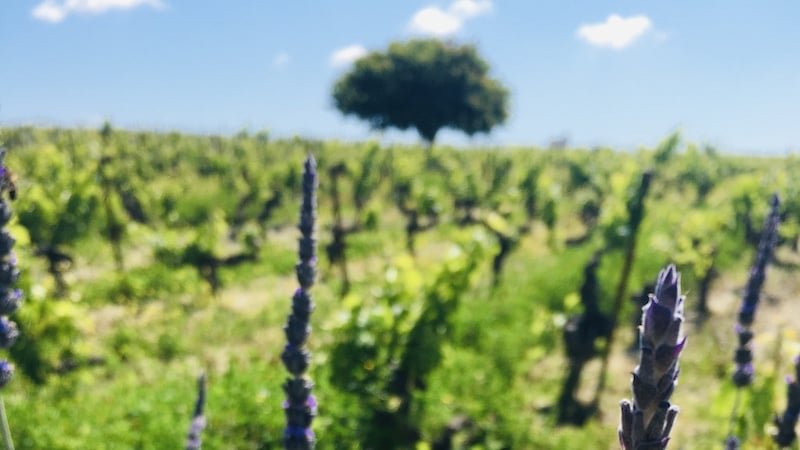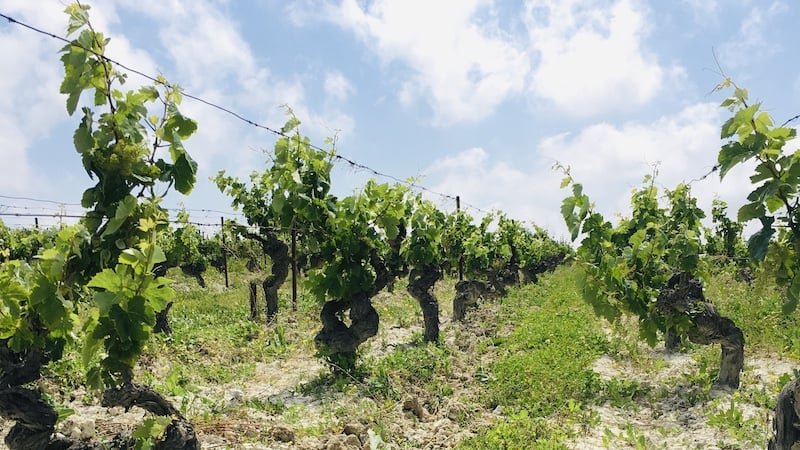
When we started looking for plots where we could apply biodynamic agriculture and make our dry white wines, it was clear to us that we wanted to find old palomino vines. The main reason is that the old palomino vines are of massal selection; that is: they did not come from nurseries, nor from a genetically modified clone such as the palomino california, which currently accounts for more than 90% of the vineyards in the Marco de Jerez. The massal selection was the selection that year after year, decade after decade, the vine growers made from their own vineyards, selecting their best vines, and from them, the best wood (pieces of vine shoots) that they used for grafting. This selection -masal-, repeated over the centuries of the history of Sanlúcar's viticulture, had given rise to an exceptional palomino, which is what we call palomino fino or palomino antiguo.
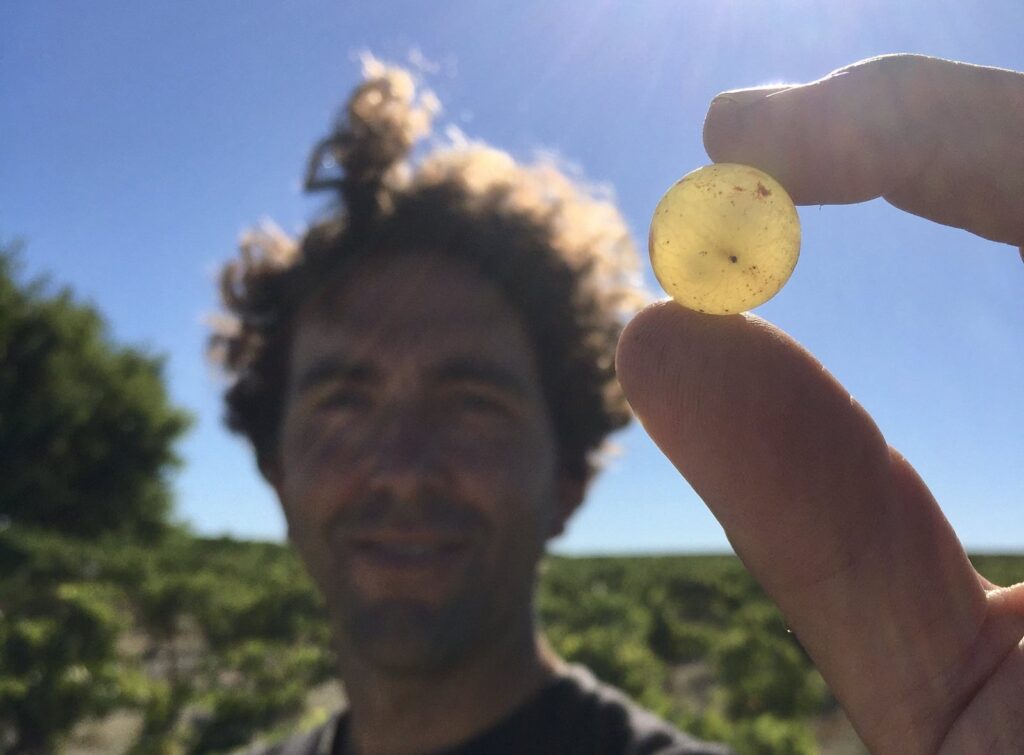
This practice was lost with time, due to the work of the nurseries, which carry out the grafts in the workshop, facilitating the work in the vineyard; and due to the entry of the palomino california, which is a genetic modification that was made at the University of California, seeking to have larger and looser bunches, which would give higher production and less presence of disease. The clusters of the old palomino grape are smaller and more tightly packed, giving rise to a greater presence of diseases. However, the quality is quite different.
As I have been talking to my teachers Juan Peregrino, Juan Morales, Ignacio Partida... I have come to realise that the difference of the old vines is not only the mass selection, which has an enormous genetic value, and constitutes in itself an enormous heritage. To this we have to add two more arguments: the first one is the racinar system of the old vines. A 60-year-old vine has a very extensive and very intelligent racinar system. It has lived through several processes of drought and rain, decades surviving year after year, knowing how to find the necessary nutrients and water. If I could sum up this intelligence in one word, I would call it balance, and I think it is the adjective that best symbolises our old vine wine: Lumière: balance; it has an enormous balance. The roots know how to compensate for the particularities of each vintage: if it is dry, they look for water; if it is wet, they look for warmth; if some nutrient is missing, they look for a way to find it.
The second argument, which is related to the first, is how they planted the vines. To plant the rootstock, they made boxes by hand, with a hoe, more than a metre deep and a metre wide. In other words, they worked and prepared the soil in a way that is not done today. This allowed the primary roots to develop splendidly and in depth. After two or three years, they grafted the old palomino in situ, which in turn, they respected for three or four years until it was formed, with meticulous pruning and castration, respecting all the details to safeguard the health of the vine. As I am used to saying “first the plant, then the grape”.
This care is no longer taken. The new plantations are made with plants that come grafted from the nursery; the soil is not worked at that depth; and in the first or second year, grapes are already being taken, weakening the plant from the beginning.
That is why the old vines are so valuable; because they are no longer made as they used to be. Unfortunately, there are very few of them left in the Marco de Jerez; most of them were uprooted in order to change the planting area to a larger one where modern tractors could enter, and to be able to introduce the more productive palomino california grape. Only those who did not have the means to grub up the vineyards, as it was very expensive, kept the old vineyards, which today are a heritage to be safeguarded and valued.